


There has never been room for error. You have to not only get things right, but ultimately, perfect. Anything less, and in your mind? You are a failure. Being on top of your game has kept you successful. And perfectionism helped you get there. But the road to that success has been fraught with self-punishment, imposter syndrome, and burnout. With each accomplishment has come an onslaught of negative comments within your own head, all directed at how you are not deserving. So you keep going and going and going until that exhaustion hits. Let’s take a look at the connection between the inner critic who lives within you and your perfectionism, and how working with a perfectionism therapist or engaging in childhood trauma therapy can help break this cycle and support healthier self-compassion.
The Permission of a Mistake
Perfectionism is not actually about being perfect or on top of your game. It is actually about the fear of being seen, fallible, or vulnerable. Wait, what??? How does this even happen? Perfectionism is a protector: if you seem perfect, always the best, never making a mistake, well, then no one can comment on what you are doing, criticize you, or bully you. But this protector usually forms because a lot of bullying and criticism is already present.
Growing up with a highly critical parent or adult caregiver is an incredibly shameful and hurtful experience. It is so painful that, during childhood, there has to be some way to defend against this pain. When your primary caregiver, who is supposed to love you unconditionally and who you want to go to for support and love, is criticizing you, harming you, it’s not only an emotionally flooding experience, but also one in which the story becomes all about you. I am the problem. I am a failure. I need to be better. If I am better, if I am good enough, they will love me and won’t say such hurtful things to me anymore.
Shaming Versus Loving Correction
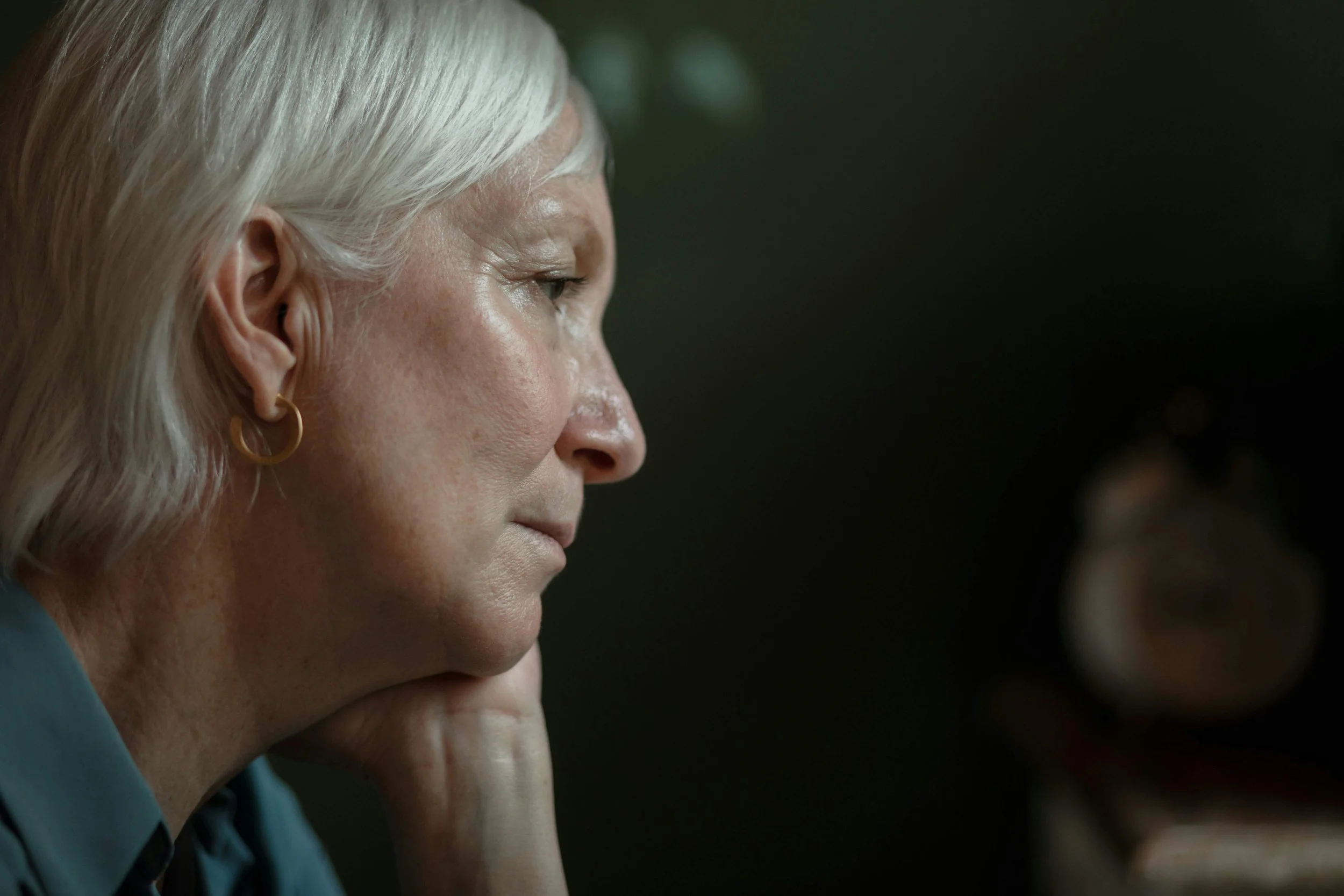
In spite of having perfectionism as a defense, however, these messages have already taken hold. Whichever critical, hurtful messages you heard in childhood typically show up in adulthood as a critical part of you known as your “inner critic.” Whenever you make a mistake, do something less than perfect, commit a “perceived failure,” or even have a bad day, they likely show up and overwhelm your system with words and statements you probably heard over and over again. It can feel incredibly painful, like an old recording playing back from your childhood, making you feel as though you are 5 years old again, not 35 years old.
This is a common experience when shame was used as a communication and discipline tool in childhood rather than loving correction. If the purpose of redirecting or instructing you in childhood was to mock, humiliate, or make you feel smaller or less than, you may have taken this on because it is what was modeled for you. You were not exposed to adults who offered encouragement, nurturing, and firm support, repair, and redirection to support you in learning and getting back up after defeat. And you likely had to figure out all these things on your own, and internalized a lot of negative messages about yourself, rather than being able to see that the adults around you were the ones struggling to meet your needs and tune into you.
Compassion Feels “Icky”

Everyone tries to offer comfort: your friends, your partner, your co-workers. You try to tell yourself that it’s fine. Everything is great! You are doing well, and you are a wonderful person. But something funky happens when you try being kind to yourself: the inner critic gets louder and stronger. It is almost like this part of you gets more powerful somehow.
For someone who was constantly exposed to criticism in childhood and did not have a lot of models or templates for encouragement and repair, this is normal. Your body is operating with what it knows. When finally exposed to compassion and self-compassion, your nervous system functions almost like cold hands running under hot water—there is a strange, numb, tingly feeling because it does not feel comfortable or familiar. Your system is interacting with something new, unknown, and therefore, pretty scary.
How Working With a Perfectionism Therapist Brings Self-Compassion into Your Life
In trauma therapy with me at Nurturing Willow Psychotherapy, we pay a great deal of attention to your childhood relationships (both hurtful and loving) to understand what templates you had and messages you received for how to function in the world. We utilize this information to work with and build compassion towards protectors within you (like perfectionism and inner critical parts) so that you can increase your tolerance towards them, building skills to name emotions, hold compassion for yourself, and be present with discomfort. Over time, this allows you to expand your ability to let go of these childhood protectors that get in the way of big feelings, because now the adult you can make space for them and reparent yourself—becoming the present, caring figure that your inner child once needed.
Overcoming Perfectionism Through Childhood Trauma Therapy in Falls Church, VA

At Nurturing Willow Psychotherapy, we provide trauma-informed support rooted in compassion and respect, helping you feel secure, strengthen your inner resilience, and rediscover your authentic self.
Getting started is easy:
Schedule your complimentary 15-minute consultation.
Complete a brief pre-session intake form.
Meet with trauma therapist Alice Zic to discuss your needs and outline personalized therapy goals.
Begin your tailored journey toward healing with childhood trauma therapy in Falls Church, VA.
In-Person Support for Trauma and Anxiety in Greater New Orleans
At Nurturing Willow Psychotherapy, we provide in-person sessions on Tuesdays and Wednesdays in New Orleans, Louisiana. We work with clients from across the Greater New Orleans area who are navigating childhood trauma, the impacts of emotionally immature caregivers, or anxiety from adolescence. Our Mid-City office offers a warm, secure, and convenient space to start your path toward emotional healing and personal growth.
Discover Online Childhood Trauma Therapy in Virginia
For those across Virginia, online therapy provides a convenient and adaptable way to start healing from childhood trauma. As a licensed Virginia therapist, I support clients statewide, delivering professional guidance directly to your home or any private space. With just a reliable internet connection and a device, you can access therapy without the need to travel. Take the first step toward healing today by booking a free consultation.
Additional Therapy Services for Anxiety and Family Healing
In addition to childhood trauma therapy, Nurturing Willow Psychotherapy offers virtual support for teen anxiety across Connecticut, Virginia, and Louisiana, as well as mother-daughter family therapy available both online and in-person in New Orleans. Whether you’re addressing mother wounding, emotional neglect during childhood, parentification, immigration-related stress, or your teen’s anxiety, we provide a compassionate, judgment-free space for healing throughout CT, VA, and LA.
Meet Alice Zic, LCSW: Trauma and Perfectionism Therapist

Alice Zic, LCSW, is a licensed clinical social worker based in New Orleans, offering both in-person sessions locally and online therapy throughout Louisiana, Connecticut, and Virginia.
She works closely with women who struggle with perfectionism and mother-wounding, guiding them to heal from childhood trauma and embrace a more confident, empowered adulthood. Alice is trained in Internal Family Systems (IFS) and Ego States Therapy, trauma-informed approaches that integrate mind and body while supporting the reparenting of critical or wounded parts.
In addition to individual therapy, Alice provides mother-daughter family therapy, using an attachment-focused framework to repair and strengthen parent-child relationships impacted by relational trauma.